
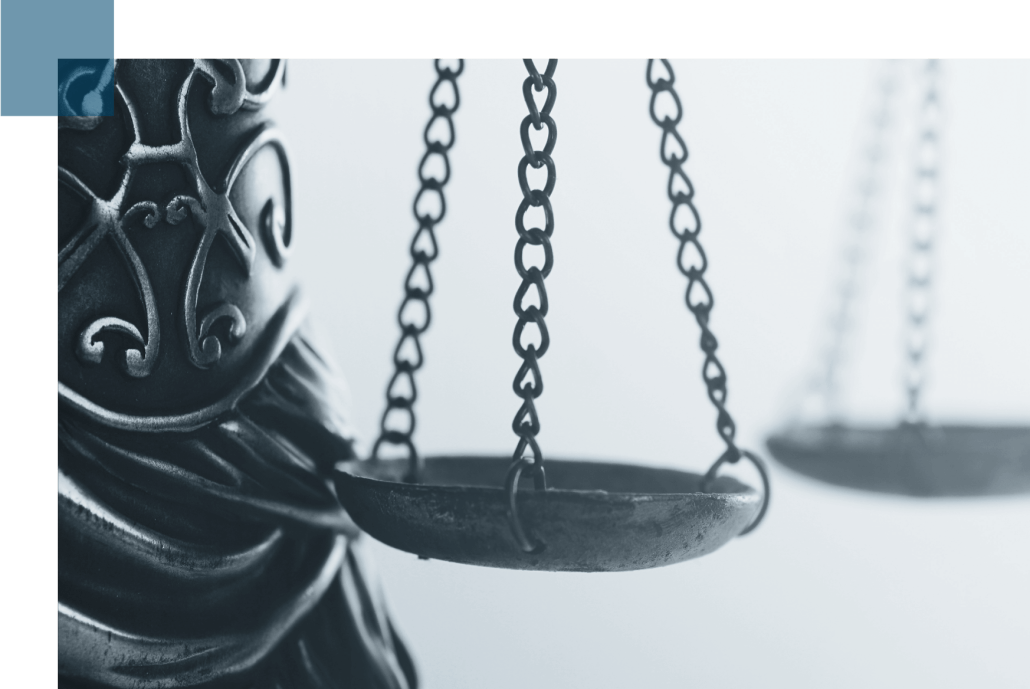
Sports law
[

[Sports Law]
Executive Summary
This comprehensive guide delves into the fascinating and complex world of sports law. We’ll explore the key areas impacting athletes, teams, leagues, and governing bodies, from contract negotiations and agent representation to intellectual property rights and antitrust issues. Understanding sports law is crucial for anyone involved in the athletic industry, whether professionally or recreationally. This guide aims to provide a foundational understanding, highlighting crucial aspects and offering insights into navigating the legal landscape of the sports world. We’ll equip you with the knowledge to better protect your interests and understand the legal implications of decisions within the realm of sports.
Introduction
The world of sports, while seemingly driven by athletic prowess and entertainment, operates within a complex web of legal regulations and considerations. From multi-million dollar contracts to the nuances of amateur eligibility, sports law encompasses a broad spectrum of legal principles and practices. This guide aims to unravel the intricacies of this field, providing a clearer understanding of the legal framework governing the sports industry and its participants. Whether you’re a professional athlete, a coach, a team owner, or simply a passionate sports fan, grasping the fundamentals of sports law is essential to navigating the industry’s unique challenges and opportunities.
Frequently Asked Questions
-
Q: What is the role of an agent in sports law? A: Sports agents act as legal and business representatives for athletes, negotiating contracts, managing finances, and handling endorsements. They must adhere to strict regulations and ethical guidelines.
-
Q: How does antitrust law affect professional sports leagues? A: Antitrust laws prevent monopolies and unfair business practices. Leagues must carefully navigate these laws when setting rules, negotiating broadcasting deals, and handling player disputes.
-
Q: What are the legal implications of image and likeness rights for athletes? A: Athletes have the right to control the use of their name, image, and likeness. This includes endorsement deals and the protection of their brand. Understanding these rights is vital for both athletes and companies seeking to use their image.
Athlete Contracts and Negotiations
Athlete contracts are the cornerstone of the sports industry. These legally binding agreements dictate the terms of an athlete’s employment, including salary, benefits, and performance-related incentives. Negotiating these contracts effectively requires expert legal counsel, understanding of contract law, and keen awareness of market value.
-
Contractual Clauses: Carefully scrutinize each clause, understanding termination clauses, bonuses, and dispute resolution mechanisms. Poorly drafted contracts can lead to significant financial and professional setbacks.
-
Image Rights: Athletes retain rights to their image and likeness, allowing them to leverage endorsements and sponsorships. Contracts should explicitly define these rights and associated compensation.
-
Agent Representation: Choosing a qualified and ethical agent is crucial. An experienced agent will navigate contract negotiations, ensuring the athlete’s best interests are protected.
-
Dispute Resolution: Contracts should outline a clear process for resolving disputes, often including arbitration clauses to avoid lengthy court proceedings.
-
Performance-Based Incentives: Many contracts include bonuses tied to performance metrics, adding complexity to negotiations and requiring precise legal language.
Intellectual Property Rights in Sports
Intellectual property (IP) plays a significant role in the sports industry, encompassing trademarks, copyrights, and patents related to team logos, player likenesses, and broadcasting rights. Protecting these rights is vital for maximizing revenue and preventing unauthorized use.
-
Trademark Protection: Team logos, names, and slogans are valuable trademarks requiring registration and vigilant enforcement to prevent infringement.
-
Copyright Protection: Broadcasting rights, game footage, and other creative works related to sports are protected by copyright law, preventing unauthorized reproduction and distribution.
-
Licensing Agreements: Teams and leagues often license their IP to generate revenue through merchandise and other commercial products. These agreements must be carefully structured to protect the IP owner’s rights.
-
Right of Publicity: This right protects athletes’ identities and images from unauthorized commercial use, ensuring they receive compensation for the use of their likeness.
-
Domain Name Disputes: Protecting team and player related domain names online is crucial to preventing brand confusion and maintaining control over online presence.
Antitrust Laws and Professional Sports
Professional sports leagues operate within a framework of antitrust laws designed to prevent monopolies and promote competition. These laws significantly influence league structures, player contracts, and broadcasting agreements.
-
League Rules and Regulations: League rules must adhere to antitrust principles, preventing restrictions that unduly limit player mobility or competition.
-
Player Drafts and Salary Caps: The legality of player drafts and salary caps are regularly scrutinized under antitrust laws, requiring careful balance to promote both fairness and competitive balance.
-
Mergers and Acquisitions: Any mergers or acquisitions involving sports teams or leagues require careful antitrust review to prevent the creation of monopolies that stifle competition.
-
Broadcasting Agreements: Exclusive broadcasting agreements must adhere to antitrust laws, preventing undue restrictions on access to sporting events and promoting a competitive media landscape.
-
Collective Bargaining: The process of collective bargaining between leagues and player associations must comply with antitrust laws, balancing player rights and league interests.
Amateur Athletics and Eligibility
The legal framework surrounding amateur athletics involves intricate rules and regulations determining eligibility and governing participation in collegiate and other amateur sporting events. These rules are crucial for maintaining fairness and integrity within amateur competitions.
-
NCAA Regulations: The National Collegiate Athletic Association (NCAA) has established extensive rules defining amateurism, eligibility standards, and compensation restrictions for student-athletes. Compliance is crucial for maintaining collegiate athletic standing.
-
Amateur Status: The definition of “amateur” varies depending on the governing body, but generally prohibits athletes from receiving compensation or endorsements while participating in amateur competitions.
-
Name, Image, and Likeness (NIL) Changes: Recent changes in NIL rules have created new opportunities for amateur athletes to profit from their image and likeness, while maintaining amateur eligibility.
-
Drug Testing and Sanctions: Strict rules and regulations govern drug testing procedures, with violations resulting in significant sanctions including suspension and ineligibility.
-
International Olympic Committee (IOC) Rules: International amateur sporting events, such as the Olympic Games, have their own set of rules governing eligibility and fair play.
Sports-Related Torts and Injuries
Sports often involve physical contact and the potential for injuries. Understanding tort law – the law addressing civil wrongs – is vital for athletes, coaches, and organizations in managing liability and protecting against potential lawsuits.
-
Negligence: Coaches, trainers, and organizations can be held liable for negligence if they fail to provide adequate safety measures or supervision, resulting in player injury.
-
Product Liability: Manufacturers of sports equipment can be held liable for defects in their products that cause injuries.
-
Assault and Battery: Intentional physical contact exceeding the rules of the game can result in liability for assault and battery.
-
Defamation: False statements harming an athlete’s reputation can lead to defamation lawsuits.
-
Insurance and Indemnification: Appropriate insurance coverage and indemnification agreements are crucial to mitigate financial risk associated with injuries and potential lawsuits.
Conclusion
The realm of sports law is vast and multifaceted, encompassing various legal principles and their application to the unique challenges of the sports industry. This guide has provided a foundational overview of key areas, highlighting the importance of understanding athlete contracts, intellectual property protection, antitrust regulations, amateur eligibility rules, and the implications of sports-related torts and injuries. Navigating this legal landscape requires expertise and careful consideration, whether you’re an athlete, coach, team owner, or governing body. Seeking legal counsel from experienced professionals in sports law is highly recommended for all significant decisions and transactions within this dynamic and complex environment. The information presented here should not be considered legal advice and professional consultation is always recommended.
Keywords
Sports Law, Athlete Contracts, Intellectual Property, Antitrust, Amateur Athletics
]

'/%3E%3C/svg%3E)

